Whole‑Home Renewal for Lasting Comfort and Efficiency
Today we dive into Sustainable Full-Home Remodels: Energy Upgrades from Insulation to Lighting, mapping a practical path toward quieter rooms, lower bills, and healthier air. Expect clear guidance, real stories, cost insights, and actionable checklists designed to help you plan confidently and start upgrading with purpose. Join the conversation, share your challenges, and subscribe for hands-on updates that transform ambitious ideas into everyday comfort, resilience, and pride in a beautifully improved home that performs better through every season.




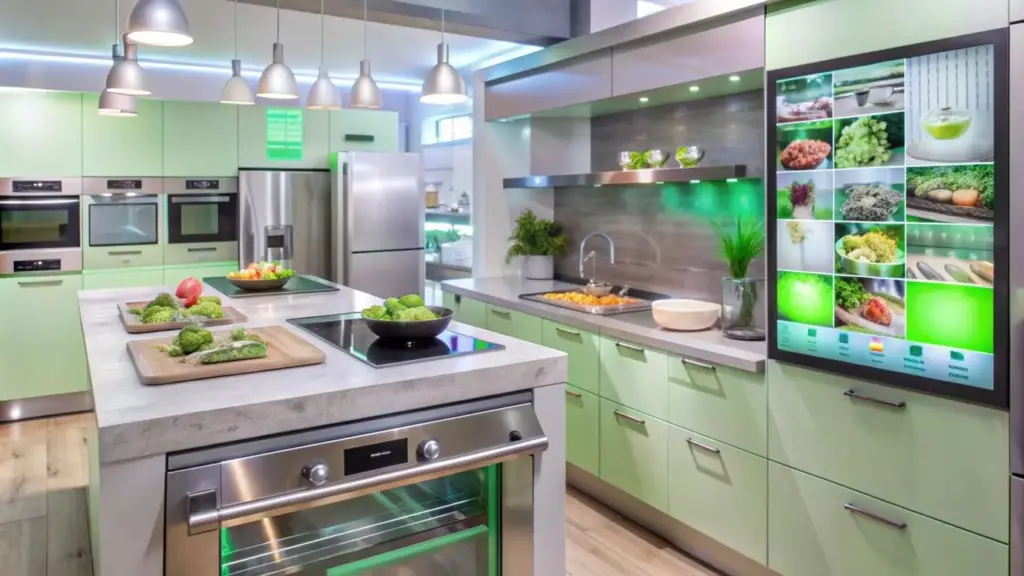
Start With an Energy Roadmap
Before swinging a hammer, create clarity. A home energy roadmap ties goals, budgets, and timelines to measurable results so upgrades build on one another rather than compete. We connect audit data with comfort complaints, utility bills, and health priorities to prioritize wins. This approach prevents costly rework, unlocks incentives at the right moment, and keeps the family aligned. Comment with your biggest unknowns, and we will help you sketch a first draft you can actually follow.
Seal and Insulate the Building Envelope
Comfort begins at the edges. Air sealing cuts uncontrolled leaks, while continuous insulation tames temperature swings and radiant chills. Materials matter: dense‑pack cellulose, exterior rigid insulation, and carefully detailed vapor control limit moisture risks and mold. Thermal bridges at rim joists and steel elements quietly waste energy unless addressed. We will translate R‑values into real‑world comfort, and spotlight safety, ventilation, and fire details. Ask about your climate zone, and we will tailor guidance precisely.
Windows, Doors, and Daylight
Openings shape comfort, sound, and light. High‑performance units with low U‑factor and climate‑appropriate solar heat gain can balance winter warmth and summer shade. Not every project requires full replacement; storms, sash kits, and careful weatherstripping can yield major gains. Daylighting design trims electric loads while lifting moods, if glare and overheating are managed. Tell us your orientation and shading context, and we will help compare coatings, frame materials, and visible transmittance for smart choices.

Choosing High‑Performance Glazing
Look beyond marketing. Compare U‑factor, SHGC, visible transmittance, and spacer technology to fit your climate and facade. Triple glazing can quiet traffic and stabilize interior temperatures, while warm‑edge spacers reduce condensation at edges. Frame materials influence maintenance, durability, and embodied carbon. Bring your quotes to the comments, and we will decode specifications, evaluate daylight tradeoffs, and suggest combinations that complement your insulation plan without overloading budgets or upsetting the home’s architectural character.
Stopping Drafts at Openings
Air infiltration around casings, sills, and thresholds undermines even premium units. Use backer rod and flexible sealants, apply tape systems thoughtfully, and set adjustable thresholds correctly. Weatherstripping door slabs can quiet whistles and improve comfort immediately. One reader fixed a persistent draft by shimming hinges and altering latch alignment. Post a close‑up photo of your drafty spot, and we will recommend specific gaskets, fasteners, and sequencing to lock in durable, forgiving performance across seasons.
Daylighting Without Overheating
Light is free, but heat is sneaky. Combine interior shades, exterior overhangs, and selective coatings to welcome brightness while limiting glare and solar gain. Light shelves and matte surfaces bounce illumination deeper into rooms. Layer with efficient LEDs for cloudy days. Share your room photos and orientations, and we will sketch simple daylight strategies that reduce electric use, support circadian rhythms, and keep spaces calm, inviting, and productive through long summers and short winter afternoons.
Electrify Heating, Cooling, and Ventilation
{{SECTION_SUBTITLE}}

Heat Pump Selection and Sizing
Manual J and Manual S calculations are your best friends. Cold‑climate models maintain capacity at low temperatures, while variable‑speed compressors steady comfort and humidity. Consider separate zones for different solar exposures. If you share load calculations and insulation levels, we can sanity‑check equipment proposals, predict seasonal coefficients of performance, and align utility incentives. Readers routinely report even temperatures and lower bills after replacing oversized furnaces with right‑sized, inverter‑driven systems tuned by good commissioning.

Ductwork, Zoning, and Distribution
Air delivery is a system, not an afterthought. Seal ducts with mastic, insulate runs in unconditioned spaces, and balance registers for quiet, even flow. Short, straight paths outperform labyrinths. In finished homes, slim ducted or ductless heads can preserve aesthetics. Share floor plans and airflow pain points, and we will suggest zoning that respects family routines, reduces conflicts over thermostats, and finally brings the upstairs and downstairs into harmony through patient, verifiable adjustments.
Hot Water, Appliances, and Smart Controls
Water heating and plug loads quietly eat energy. Heat pump water heaters harvest ambient heat with impressive savings, while recirculation controls prevent waste without long waits at taps. Induction ranges cook fast and clean, and efficient laundry dramatically cuts drying time. Smart thermostats, load‑shifting schedules, and submetering illuminate hidden patterns. Tell us your household routines, and we will tailor strategies that stack incentives, simplify habits, and respect the ways you actually live every day.

Efficient Water Heating Options
Compare heat pump water heaters, condensing tanks, and on‑demand units by efficiency, noise, and space requirements. Add pipe insulation, smart recirculation, and low‑flow showerheads for quick wins. Consider drain water heat recovery for shower‑heavy households. Share your tank size, fuel type, and placement, and we will recommend a configuration that balances upfront cost with comfort, maintenance ease, and available rebates, turning an overlooked utility corner into a steady source of monthly savings.
Kitchen and Laundry Upgrades
Induction cooking delivers precise control without combustion byproducts, while high‑efficiency dishwashers and refrigerators curb both energy and water use. Front‑load washers remove more moisture, shortening dryer cycles and reducing fabric wear. Post your appliance models and ventilation setup, and we will assess opportunities, including make‑up air for kitchen hoods. Readers often report quieter kitchens, cooler summers, and cleaner indoor air after these swaps, with payback accelerated by generous incentives and lower maintenance demands.
Lighting That Saves and Delights
Good lighting is efficient, flattering, and adaptable. High‑efficacy LEDs paired with appropriate color rendering and thoughtful color temperature deliver crisp scenes without waste. Layer ambient, task, and accent light, and use dimmers and sensors to trim loads invisibly. Plan control zones around activities, not walls alone. Ask about your rooms and moods, and we will map simple upgrades that elevate evenings, protect sleep, and celebrate daylight while cutting costs month after month.
All Rights Reserved.