Breathing New Life into Old Walls

Start with the Story: Research, Assessment, and Respect
01
The Archivist’s Toolbox
City directories, fire insurance maps, census records, and dusty photo albums can pinpoint construction dates, additions, and vanished details. Combine paper trails with paint analysis and wood species identification to map original intent. This research prevents guesswork, respects provenance, and guides every later decision toward a renovation that adds clarity rather than confusion.
02
Walking the Rooms with Care
A slow, respectful walkthrough reveals hairline plaster cracks, sloped floors, patched baseboards, and the print of old stair runners. Note patterns of wear and daylight, drafts around sashes, and the gentle creak underfoot. These observations become a condition index, helping prioritize structural stabilization, conservation, and thoughtful modernization without bulldozing cherished, character‑defining elements.
03
Documenting Character‑Defining Features
Photograph profiles of casings, transoms, newel posts, fireplace surrounds, hardware, and original flooring. Sketch dimensions, tag salvageable fragments, and build a catalog. When crews mobilize, this record becomes a north star, ensuring matching millwork, compatible interventions, and consistent craftsmanship that protects the narrative integrity embedded in trim, textures, and timeworn surfaces.
Design with Integrity: Plans that Honor the Past
Structure and Systems: Strength and Comfort Behind the Scenes
Materials and Finishes: Authenticity You Can Touch
Salvage, Reuse, and Honest Repairs
Deconstruct thoughtfully, saving doors, sash weights, beadboard, and period hardware. Splice in Dutchman patches rather than wholesale replacement. Refinish rather than resurface. When inserting new pieces, label discreetly for future caretakers. Reuse reduces waste, preserves patina, and keeps the tactile memory of previous generations alive beneath fingertips and footsteps.
Profiles, Species, and Subtle Sheens
Profile knives should match existing casings; grain direction matters in every miter. Choose heart pine for heart pine, quarter‑sawn oak for quarter‑sawn oak. Finish with oils, shellac, or low‑sheen varnishes that honor depth without plastic gloss. Under natural light, these choices read as calm continuity rather than bright interruption.
Finishes that Weather with Grace
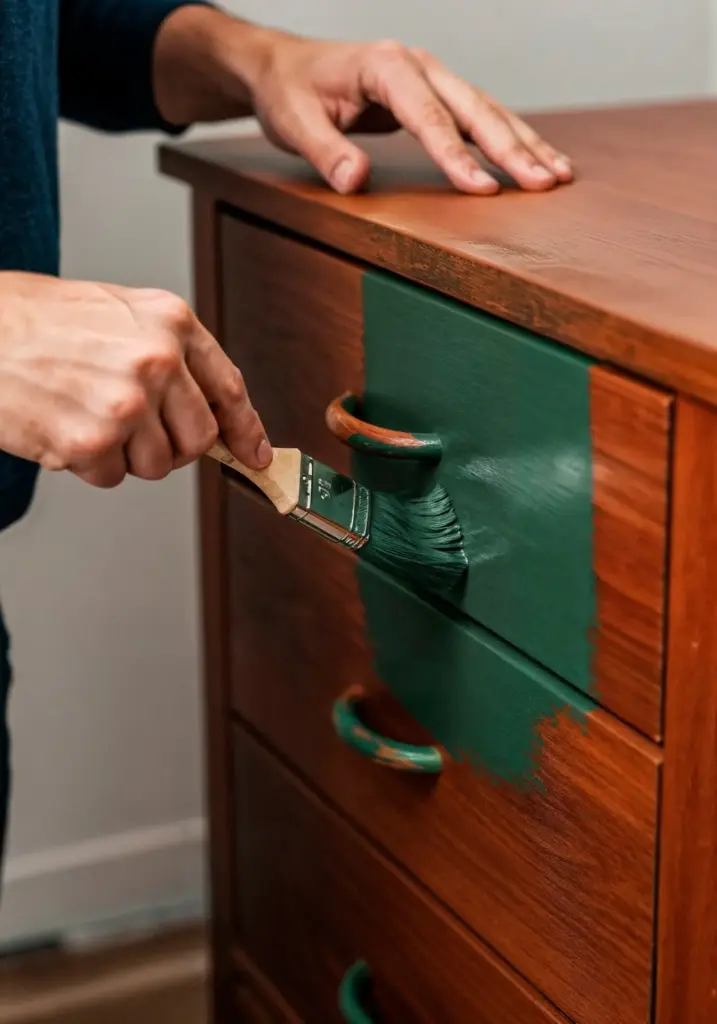
Mineral paints breathe with masonry, milk paint settles softly on wood, and traditional limewash builds velvety depth. Test samples in changing light, then layer subtly to echo time’s touch. Durable, maintainable finishes reduce future interventions, helping the house gather beauty slowly instead of demanding rapid, wasteful cycles of replacement.



Living Traditions: Stories, Community, and Stewardship

All Rights Reserved.